White Balance for Mixed-Light Scenes
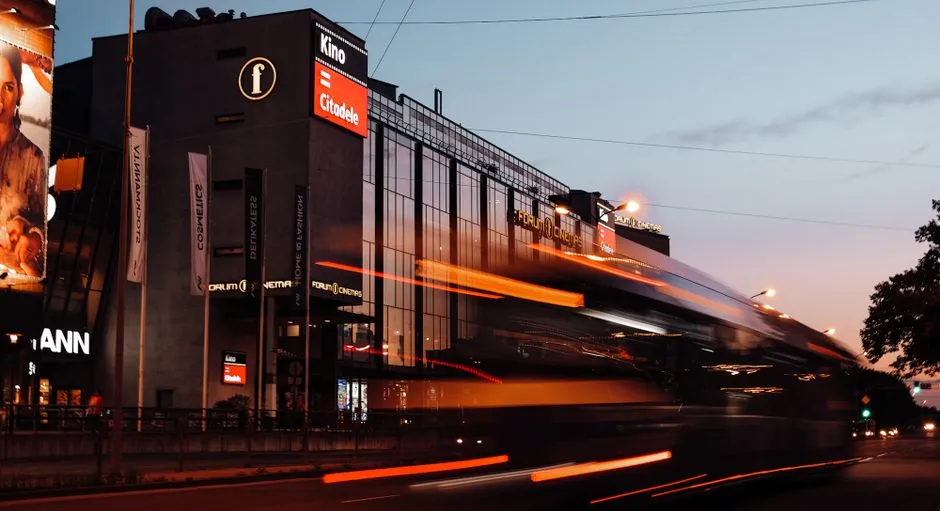
Decide which colour relationships belong in the scene
White balance tells a camera how to map scene illumination into its colour system. In mixed light, there may be no single setting that makes every source appear neutral. Choose which subjects and sources need accurate or consistent colour, which differences are intentional, and which must be changed physically. Then test the actual camera, lights, wardrobe, makeup, surfaces, and viewing transform.
Identify every significant source
List daylight, window reflections, tungsten lamps, household LEDs, fluorescent fixtures, streetlights, signs, screens, candles, and production units. Switch sources on separately where permitted and observe what each contributes. A room that looks “warm” to the eye may contain several different spectral and colour relationships the camera separates more strongly.
Do not assume two fixtures with matching advertised colour-temperature numbers will render every colour identically. Camera sensors and image processing can respond differently to a source than an observer does, so test the actual camera, light, surfaces, and pipeline together.
Choose a reference method
Use the procedure documented for the exact camera: a preset, numeric setting, measured custom balance, or production colour-management plan. Place a suitable neutral reference where the critical subject receives the intended light, not in a convenient corner lit by something else.
Record the white-balance setting, any tint adjustment the camera provides, exposure, lighting states, filtration, and viewing transform. The camera-test workflow explains how to keep those values tied to clips.
Preserve or control the contrast
Mixed colour can build depth and motivation. A cooler window and warmer practical may separate spaces or times of day. The goal is not to neutralize every source until the room resembles a product box.
Ask:
- Which source motivates the key light?
- Should the background feel different from the face?
- Does a practical look plausible at the chosen exposure?
- Do wardrobe and production colours stay acceptable?
- Will a later angle reverse the apparent balance?
Use the motivated-lighting guide to connect colour contrast to story geography.
Fix unwanted mixtures at the source
If a colour cast damages skin, wardrobe, a product, or continuity, consider turning off the offending source, replacing an approved lamp, changing the production fixture, using appropriate correction material, blocking spill, repositioning the subject, or redesigning the balance. These are crew decisions made within the equipment ratings and production safety plan.
Do not cover vents, place material against hot lamps, improvise electrical modifications, or swap unknown bulbs. Follow fixture manuals and qualified electrical and lighting crew direction. Qualified lighting and electrical crew must own heat, power, stands, access, and overhead-work decisions under the production protocol.
Separate capture balance from the grade
Raw and log workflows may allow substantial colour adjustment, but that does not make capture irrelevant. Mixed spectra can produce relationships that a global white-balance control cannot neatly undo. Clipped channels and inconsistent lighting also limit postproduction.
Use the documentation for the actual software version, camera input, and colour-management pipeline. The correction-versus-grading guide explains why balancing shots should precede creative look work.
Shoot continuity references
Record a neutral and colour reference in the scene's key light, then capture representative skin, wardrobe, set colour, practicals, highlights, and shadows. Save stills and lighting notes for later setups. When daylight changes, record the time and visible effect so later setups do not rely on an incorrect continuity assumption.
Mixed light works when its differences are chosen, repeatable, and visible through the whole pipeline. Neutrality is one option; coherent colour relationships are the real goal.
Keep hazard decisions with qualified crew
This article covers creative planning only. Mains or generator power, distribution and cabling, powered or hot fixtures, arc sources, battery systems, overhead loads, rigging, grip equipment, ladders, elevated work, vehicles, water, fire, smoke, stunts, and weapon props are outside its instructions. The gaffer, licensed electrician, key grip or rigger, stunt coordinator, or licensed armourer must own the relevant plan under the production protocol. Do not improvise mounts, wiring, load limits, effects, or weapons from this article. For any firearm or weapon prop, follow only the licensed armourer and the production's safety protocol.
Sources
- ARRI, “ARRI ALEXA Modes” (accessed 1 September 2026) — camera perception, colour-fidelity measures, and interactions between sensors and fixtures.
- ARRI, “Metadata” (accessed 1 September 2026) — white-balance and gamma metadata across testing and post.
- Blackmagic Design, “DaVinci Resolve Training” (accessed 1 September 2026) — official shot-balancing, scopes, and colour-management training.