How to Build Motivated Lighting for a Scene
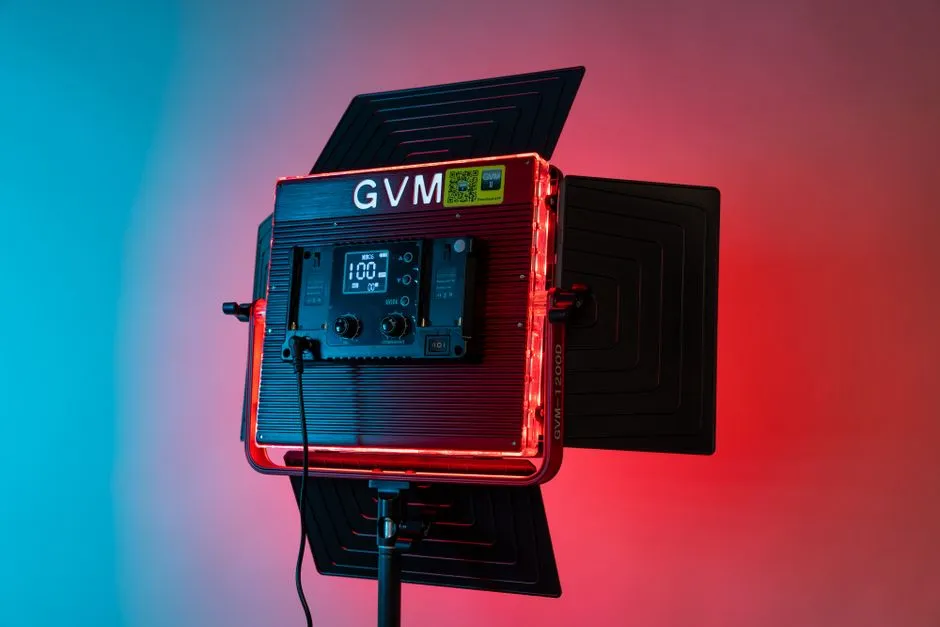
Give the light a believable reason to exist
Motivated lighting uses sources that feel connected to the scene's world: a window, lamp, hallway, screen, streetlight, skylight, fire, or another visible or implied source. The production unit does not have to sit exactly where the fictional source sits, but its direction, colour, softness, falloff, and effect should support the audience's understanding of the space and story.
Begin with blocking and geography
Rehearse where actors enter, stop, turn, sit, and look. Identify the important faces, objects, and background planes for each beat. Then ask where light could plausibly arrive and whether that direction serves the performance.
A window-side key may work until the actor crosses the room. A table lamp may motivate warmth but sit too low to produce the planned eye light. Solve the scene across the whole movement rather than polishing one frame that collapses at the first line.
Use the camera-angle guide when source direction, background, and performance paths need to be designed together.
Separate source, motivation, and instrument
The source is what the story says creates light. The motivation is the audience's reason for accepting its direction and quality. The instrument is the production equipment creating or shaping the recorded result.
One fictional window may be built with a larger soft source, negative fill, bounce, flags, haze where approved, and controlled background units. The result can remain motivated even though the literal window does not perform all the technical labour. The production equipment may remain outside the frame while preserving the fictional source's apparent direction and character.
Design the contrast around the beat
Decide what the audience needs to read and what may remain uncertain. Shape foreground and background separately. Light can reveal a doorway before a character notices it, leave a face partly unreadable, or shift when a practical is switched on.
Check these relationships:
- key direction against actor eye lines;
- face exposure against windows and practicals;
- colour contrast among sources;
- reflections in glasses, screens, mirrors, and glossy surfaces;
- continuity when the camera reverses or changes size;
- whether shadows support the established geography.
The mixed-light guide helps preserve colour differences without assuming one setting makes every source neutral.
Let practicals appear plausible
A visible lamp should look connected to the light it seems to produce. That does not require the practical alone to expose the scene. Control its recorded brightness and supplement it with approved production units placed to maintain the same apparent direction and character.
Communicate the desired recorded brightness, colour, flicker performance, shade appearance, and exposure relationship. The qualified gaffer and licensed electrician select and operate lamps, fixtures, dimming, power, and any physical control under the equipment manuals and production fire-safety process. This article supplies no modification, hanging, wiring, or clearance procedure.
Work safely in the real location
Keep exits, walkways, sprinklers, detectors, vents, and required clearances unobstructed. Secure stands and cables through qualified crew and approved methods. Overhead fixtures, mains power, distribution, elevated work, hot units, and structural loads belong with trained personnel following the location and production plan.
For tight interiors, follow the small-room lighting guide. Creative motivation never overrides a stop-work call or equipment limit.
Test the sequence and grade
Record representative angles, movements, skin, wardrobe, practicals, windows, highlights, and shadow detail. Apply the intended viewing transform and a basic grade. Watch the edited sequence, because a motivated setup can become visually inconsistent when adjacent angles change source direction.
If the light supports geography, performance, and the scene's changing attention, it is doing its job. The audience need not notice the logic consciously; the crew absolutely should.
Keep hazard decisions with qualified crew
This article covers creative planning only. Mains or generator power, distribution and cabling, powered or hot fixtures, arc sources, battery systems, overhead loads, rigging, grip equipment, ladders, elevated work, vehicles, water, fire, smoke, stunts, and weapon props are outside its instructions. The gaffer, licensed electrician, key grip or rigger, stunt coordinator, or licensed armourer must own the relevant plan under the production protocol. Do not improvise mounts, wiring, load limits, effects, or weapons from this article. For any firearm or weapon prop, follow only the licensed armourer and the production's safety protocol.
Sources
- Adobe, “What is cinematography?” (accessed 1 September 2026) — cinematographer collaboration, lighting, locations, lenses, and visual planning.
- ARRI, “ARRI ALEXA Modes” (accessed 1 September 2026) — interaction between camera sensors, fixture output, and colour rendering.
- ARRI, “ARRI Textures” (accessed 1 September 2026) — combined influence of location, design, lighting, lens, exposure, filtration, and image processing.