A Practical Camera Test Workflow
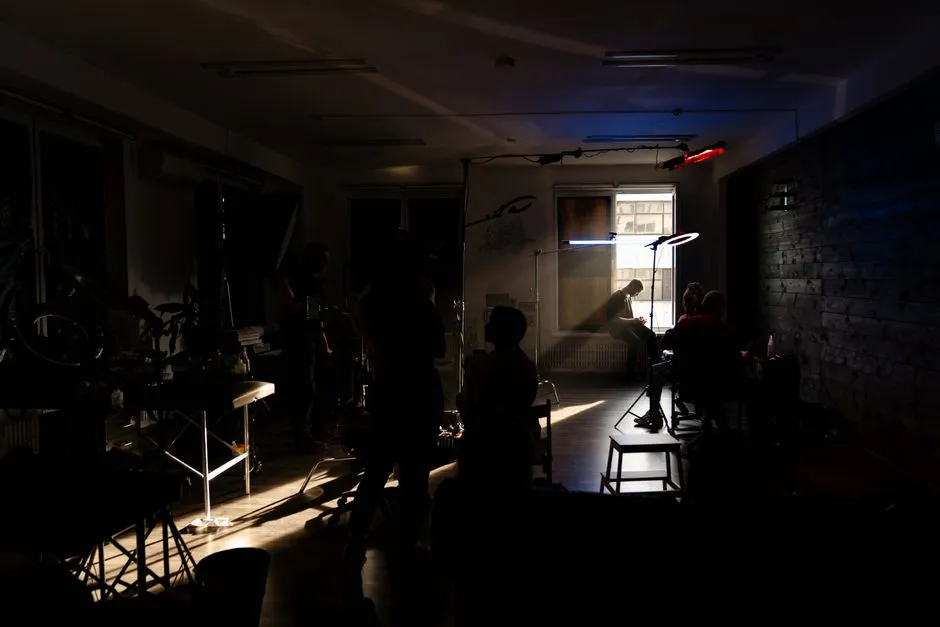
Test decisions, not equipment prestige
A practical camera test turns production questions into labelled footage, metadata, reports, and approved references that survive into post. Test the actual or representative camera, lenses, filters, lights, wardrobe, makeup, production design, movement, and colour pipeline. Every setup should answer a written question; otherwise the crew may produce exquisite images nobody can use to make a decision.
Build a test matrix
List the variables that affect the project, then prioritize combinations that are plausible in production. Typical questions include:
- exposure and highlight or shadow priorities;
- lens focal length, stop, flare, breathing, and close focus;
- filtration and reflections;
- frame rate and shutter for representative movement;
- white balance and mixed-source colour;
- wardrobe, makeup, skin, texture, and production colour;
- recording format, data rate, monitoring transform, and delivery;
- camera movement, stabilization, focus, and operating clearance.
Do not test every menu combination merely because it exists. Rank decisions by creative impact, technical risk, cost, and difficulty of correcting them later.
Freeze the pipeline
Before rolling, record camera body and firmware, sensor or recording mode, resolution, codec or raw format, project frame rate, shutter, exposure index, white balance, aspect ratio, frame lines, audio or timecode settings, lens, filtration, and viewing transform. Confirm that editorial and colour can read the files.
Preserve the camera and lens metadata needed to interpret each test, including timecode, project frame rate, exposure index, recording and viewing transforms, white balance, and lens information where available. Use the current manual for the exact camera system.
Slate every change
Use a visible slate and matching camera report. Change one principal variable at a time when you need to isolate its effect. If several variables must change to preserve the final frame, state that clearly.
The focal-length test gives a controlled perspective comparison, while the exposure guide keeps manufacturer-specific overlays from becoming universal folklore.
Include real scene stress
Charts and neutral references are useful, but the test also needs representative faces, movement, fabrics, practical lights, windows, saturated colours, reflective surfaces, fine patterns, deep shadows, and highlights. Run focus transitions and camera moves at planned speed.
Test intended operating conditions only through the specifically qualified department head or coordinator and approved production protocol. Electrical work, rigging, vehicle mounts, stunts, smoke, pyrotechnics, and hazardous effects are not improvised for a camera test. Any firearm or weapon prop is handled only by the licensed armourer under the production's weapon-safety protocol.
Copy, verify, and review properly
Follow the production's media-management and backup plan. Confirm file integrity and naming before cards return to service. Sync or identify sound where relevant. Import the footage into the intended editorial and colour systems.
Apply the input and display transforms approved for the production. A log-encoded camera image is not a finished display image, and its appearance depends on the correct transform. Use the current camera and software manuals for the exact installed versions.
Review on displays suitable to the delivery decision, not only the onboard monitor. Include camera, editorial, colour, visual-effects, makeup, costume, design, and production stakeholders according to the question being decided.
Publish a decision report
For each question, include the chosen setup, rejected alternatives, evidence clip or still, settings, pipeline, known limits, and owner of any follow-up. Store approved references where the relevant departments can retrieve them.
The colour-workflow guide explains how test references can anchor correction and grading. A camera test is complete when its decisions reach the call sheet, camera report, dailies, edit, and grade—not when the projector turns off.
Keep hazard decisions with qualified crew
This article covers creative planning only. Mains or generator power, distribution and cabling, powered or hot fixtures, arc sources, battery systems, overhead loads, rigging, grip equipment, ladders, elevated work, vehicles, water, fire, smoke, stunts, and weapon props are outside its instructions. The gaffer, licensed electrician, key grip or rigger, stunt coordinator, or licensed armourer must own the relevant plan under the production protocol. Do not improvise mounts, wiring, load limits, effects, or weapons from this article. For any firearm or weapon prop, follow only the licensed armourer and the production's safety protocol.
Sources
- ARRI, “Metadata” (accessed 1 September 2026) — camera and lens metadata across testing and postproduction.
- ARRI, “Color FAQ” (accessed 1 September 2026) — Log C and viewing-transform context.
- Blackmagic Design, “DaVinci Resolve Training” (accessed 1 September 2026) — official colour-management, editing, scopes, balancing, and delivery training.